Station 02 · Delivered order cost
Contribution margin and break-even for an online store, worked through
What each delivered order leaves you after the costs that grow with every order, and how many orders a month cover your fixed costs. Worked through on one Egyptian COD store's real numbers.
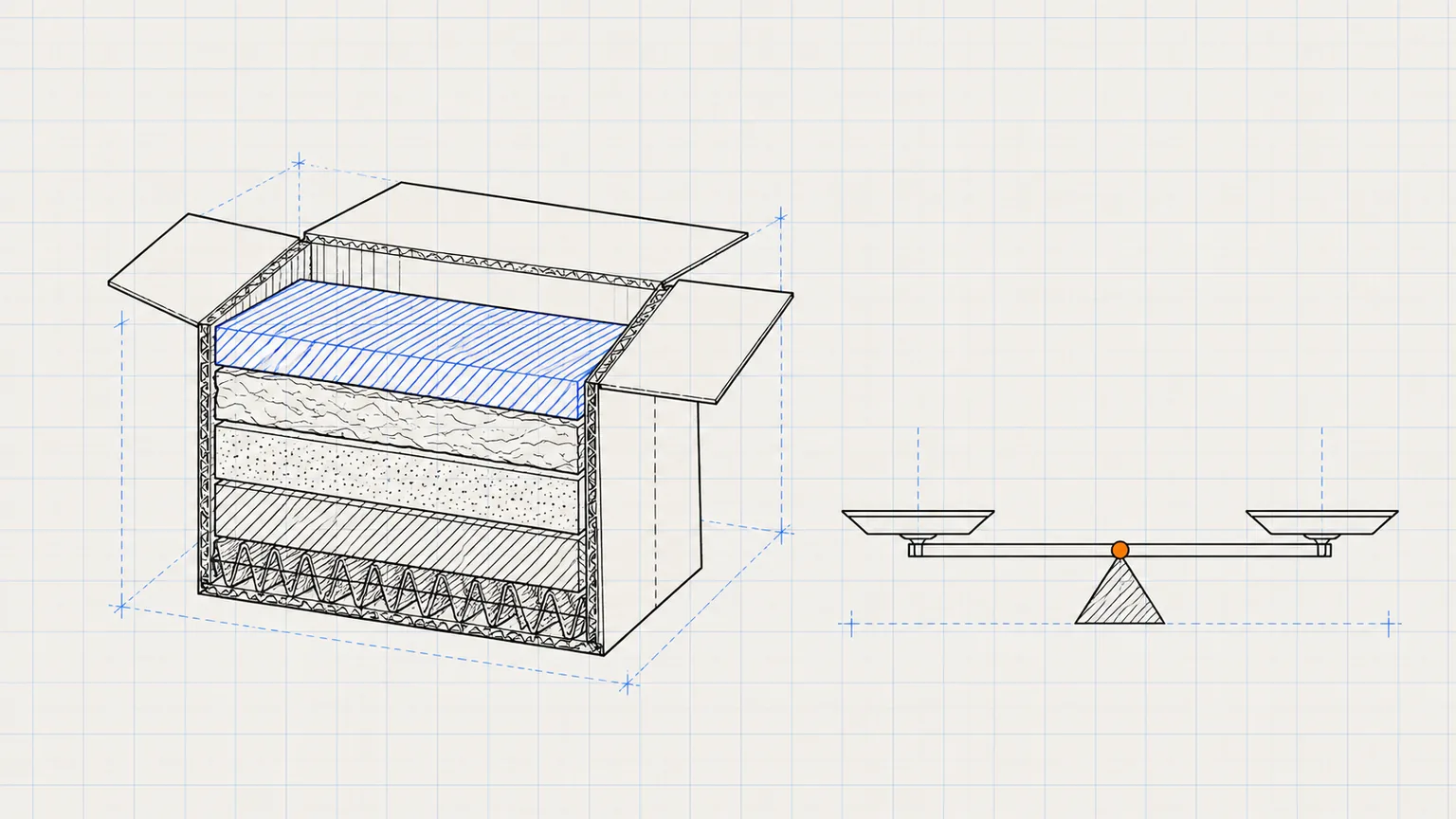
Revenue tells you how much came in. It doesn't tell you whether the month paid for itself. For that you need two numbers: contribution margin, what each order leaves you after the costs it caused, and break-even, how many of those orders cover the costs you pay anyway.
This article works both out on one Egyptian cash-on-delivery store's September numbers, the same store as in What a returned COD order really costs you.
Two kinds of cost
Every cost in a store is one of two kinds:
- Variable costs grow with every order: the product, packaging, the courier fee, the COD fee, and the ad spend it took to get the order.
- Fixed costs stay the same whether you sell 100 orders or 1,000: salaries, rent, software subscriptions, the accountant.
The Corporate Finance Institute puts it simply: fixed costs "do not fluctuate" with output, and variable costs rise and fall with it. Shopify's own list of an online store's variable costs includes fulfilment and shipping, payment processing fees and the ad spend that wins each customer.
Contribution margin is what's left of the sale after the variable costs. It "contributes" to paying the fixed costs first, and only what's left after those is profit. In the standard definition, contribution margin is "sales revenue less its variable costs".
Why cash on delivery changes the per-order maths
In a prepaid store, one sale is one order. Under cash on delivery, three numbers sit between "order placed" and "money received":
- Cancelled at confirmation. The order never ships, but you already paid for the ad that brought it.
- Returned or refused at the door. You pay the courier and get nothing.
- Delivered and paid. Only these bring in cash.
So the honest unit is the delivered order. Every cost the other orders caused has to be carried by the ones that paid.
The store's September numbers
- 1,759 orders placed, 1,364 shipped, 129 returned, 1,235 delivered and paid
- Average order value: 370 EGP, shipping fee included
- Product cost per order: 123 EGP
- Ad cost: about 73 EGP per order placed, from the month's ad spend divided by orders placed
Contribution margin per delivered order
Start with what one delivered order brings in, then take off what it cost, including its share of the orders that didn't pay:
- Revenue: 370 EGP
- Product cost: 123 EGP
- Ad cost: 1,759 orders × 73 EGP ÷ 1,235 delivered = about 104 EGP per delivered order
That leaves about 143 EGP per delivered order, before courier fees, COD fees and packaging. Each of those comes off the 143. The courier fee counts once per shipment, so the 129 returns add their fees to the delivered orders too: every 1 EGP of courier fee costs about 1.10 EGP per delivered order (1,364 shipments ÷ 1,235 delivered).
As a formula:
Contribution per delivered order = order value − product cost − (ad cost per order placed × placed ÷ delivered) − (courier fee × shipped ÷ delivered) − COD fee − packaging
The contribution margin ratio is the same number as a share of the order value. Here, before courier and COD fees, 143 ÷ 370 is about 39%. It's the standard contribution margin ratio: contribution per unit divided by the selling price.
Break-even: how many delivered orders cover your fixed costs
Break-even is the point where contribution has paid for every fixed cost and profit is zero. The textbook formula divides fixed costs by the contribution margin per unit. For a COD store, the unit to use is the delivered order. The same formula is in OpenStax's managerial accounting textbook and ACCA's guide to cost-volume-profit analysis, which also covers how far sales can fall before you make a loss.
Delivered orders needed per month = monthly fixed costs ÷ contribution per delivered order
At 143 EGP per delivered order, every 10,000 EGP of monthly fixed costs needs 70 delivered orders to cover it. Add courier fees and the contribution shrinks, so the number of orders you need goes up.
Run it the other way and you get the question that matters under cash on delivery: at the orders you already ship, what delivery rate do you need to break even? For this store, before courier fees and fixed costs, it's 38.1% of shipped orders. It delivers 90.5%. Courier fees and fixed costs push the 38.1% up, which is why they belong in the sum.
Where each number comes from
- Orders placed, shipped, returned and delivered: your store's order export for the month, counted by status.
- Order value and product cost: in Shopify, fill in "Cost per item" on each product and the cost reports follow.
- Courier and COD fees: your courier's price list or monthly statement.
- Ad spend: the month's total in Ads Manager, divided by orders placed in your store.
- Fixed costs: salaries, rent and subscriptions for the same month.
Work out yours
The free COD profit calculator does this sum for one month of your numbers: contribution and net profit per delivered order, what returns cost you, and the delivery rate you need to break even. It runs in your browser and stores nothing. To see the most you can pay for an order in ads before the margin runs out, use the max ad cost per order calculator.
Common questions
What is contribution margin, in one line?
What's left of a sale after the costs that grow with every order. It pays your fixed costs first, and what's left after those is profit.
Should ad spend count as a variable cost?
For an online store that buys its orders with ads, yes. Ad spend rises with the orders you buy, so leaving it out makes every order look more profitable than it is.
Why divide by delivered orders and not orders placed?
Under cash on delivery only delivered orders bring in cash, but you paid for ads on every order placed and for the courier on every shipment. Dividing by delivered orders puts all of that cost on the orders that actually paid.
What's a good contribution margin?
It depends on your prices, product cost and delivery rate, so no single figure fits every store. What matters is that it's positive after courier fees and ads, and big enough to cover your fixed costs at the orders you can realistically deliver.